Roofing Contractor in Bell, CA: Durable Repairs & Replacements Since 2005
Roofs in Bell have it rougher than you'd think. Most years they bake for seven or eight dry months under high UV, with diesel soot drifting in off the I-710 corridor. Then a November atmospheric river drops three inches in a weekend and finds every cracked flashing joint and clogged scupper at once. That's when the leaks show up and every roofer in the Gateway Cities gets booked solid. Bell Roofers has worked through that cycle since 2005. We find the weak spots before the rain does, fix them properly, and answer the phone 24/7 when a storm gets there first.
We've spent two decades on the flat alluvial plain along the Los Angeles River. That means stucco bungalows with tired shingle roofs, flat-roof apartment buildings that pond every winter, clay tile that's cracked from seismic shaking, and commercial roofs gone gray with industrial grime. Our crews work in Bell, Maywood, Cudahy, South Gate and Pico Rivera every week. We know the drainage problems, the permit offices and the weather windows that decide whether a roofing job here holds up.
- ✓Serving Bell and the Gateway Cities since February 2005
- ✓Bonded and fully insured roofing contractor
- ✓24/7 emergency roof leak repair and tarping
- ✓Residential and commercial roofing under one roof
- ✓Flexible financing available
- ✓Serving properties within a 20-mile radius of Bell
Request Your Free Estimate
No obligation. Emergency service available.
Why Bell, CA Roofs Need a Local Roofing Contractor
Bell's mild weather looks easy on paper. Your roof sees a harsher picture: long stretches of intense sun, salt-free but soot-heavy air, sudden winter downpours on nearly flat ground, and a fault system under it all. Here's what actually wears roofs out in southeast LA County.
Climate: Long Dry Spells, Then Sudden Storms
Bell gets about 14–15 inches of rain a year on average, and almost all of it falls between November and March. Totals swing a lot. Dry years can bring less than 8 inches, while El Niño winters and atmospheric-river storms like the ones in winter 2023 and February 2024 can drop several inches in just a few days. In between, roofs sit dry for 7–8 months under strong UV. Summer highs reach the mid-80s to low 90s°F, and September heat waves top 100°F. May Gray mornings followed by hot afternoons make materials expand and contract every day, which loosens seams and flashing. Santa Ana gusts from October through February lift brittle shingles and ridge caps. Hail and freezing basically aren't a factor here. Sun, heat cycling and sudden heavy rain are what wear roofs down.
Built Environment: Flat Ground, Older Housing, Industrial Air
Bell sits on the flat plain beside the Los Angeles River, so heavy rain drains slowly. Low-slope roofs, patio covers and garage conversions with poor drainage pond water after every big storm, and standing water breaks down membranes quickly. The neighborhoods mix older single-family homes, small multi-unit buildings with flat roofs and parapets, and commercial and industrial buildings along the city's industrial strip. Diesel soot and fine particles from the I-710 freight corridor, nearby rail yards, and industry in Commerce and Vernon settle on every roof. That grime dulls reflective cool-roof surfaces, so they keep less heat out, and it clogs flat-roof drains. Earthquake risk adds another layer. The Puente Hills blind thrust runs under the region, and shaking can crack heavy clay tile, shift chimney flashing and open up masonry parapets.
Permits and Code: City vs. County Jurisdiction
Who issues your roofing permit depends on exactly where your property sits. Bell, Maywood, Cudahy, South Gate, Compton, Paramount, Pico Rivera and Santa Fe Springs each run their own building departments. East Los Angeles, Florence-Graham, Walnut Park, Westmont, Willowbrook, East Compton and West Whittier-Los Nietos are unincorporated, so LA County handles permits there. Re-roofing work in California also has to meet the state's Title 24 energy rules, which can require cool-roof materials on certain roof types depending on slope and climate zone. Getting the jurisdiction or product spec wrong can delay a job or cause a failed inspection. We pull the right permits for each address and pick materials that pass inspection the first time.
Common Roofing Problems We See in Bell and Nearby Communities
Most roof failures around Bell aren't random. They follow the climate: months of sun damage nobody notices, then a heavy storm that exposes it. Here are the problems we're called out for most often, why they happen here, and how to spot them early.
Active Roof Leaks During Winter Storms
EmergencyWater getting through the roof into the attic, ceilings or walls during heavy rain. A leak can soak insulation, stain drywall, short out light fixtures and start mold growth within a day or two, so it needs attention right away.
Why it's common hereAfter 7–8 dry months, small defects like cracked mastic, lifted flashing and blocked scuppers go unnoticed because there's no rain to reveal them. Then an atmospheric-river storm drops several inches in a few days, and all those small failures leak at once. Flat ground means water drains off roofs and lots slowly, which adds pressure on weak points. Since so many homeowners discover leaks in the same week, roofers book up fast. Having a 24/7 crew you can reach makes a real difference in how much damage you end up with.
Signs you'll notice- Brown or yellow water stains spreading on ceilings
- Dripping from light fixtures or ceiling vents
- Damp or matted attic insulation
- Bubbling or peeling paint near the roofline
- Musty smell after rain
- Water trickling down interior walls
We see leak calls spike in the first big storm of November and again during El Niño winters. Older homes in Bell, Maywood and Cudahy and flat-roof multi-units in Florence-Graham and Walnut Park are hit hardest, especially where patio covers or garage conversions tie into the main roof.
Our fix: Emergency tarping or a temporary seal to stop the water right away, then a full diagnosis of where it's getting in and a permanent repair to the flashing, membrane or roof deck.
Ponding Water on Flat and Low-Slope Roofs
SeriousWater that's still sitting on a flat or low-slope roof more than 48 hours after rain stops. It usually means the roof has sagged, the slope is wrong or the drains are blocked. Standing water speeds up membrane breakdown and adds a lot of weight.
Why it's common hereBell's terrain is almost perfectly flat, so storm runoff has nowhere to go quickly. Lots of local buildings have low-slope roofs: apartment buildings, commercial spaces, add-on rooms, patio covers and garage conversions, and many were built without proper drainage. Diesel soot and debris blown in by Santa Ana winds collect in scuppers and drains during the dry months. When the first heavy rain comes, the drains are already clogged and water pools across the roof surface.
Signs you'll notice- Puddles visible on the roof days after rain
- Dirt rings or algae stains where water sat
- Sagging areas in the roof deck
- Cracked or blistered membrane in low spots
- Clogged scuppers or downspouts
- Ceiling stains below flat sections
This is common on flat-roof apartment buildings and commercial properties in South Gate, Compton and Paramount, and on the many garage conversions and back-house additions around Bell and East Los Angeles.
Our fix: Clearing drains, adding tapered insulation or crickets to correct the slope, adding or enlarging scuppers, and re-covering worn areas with a membrane like TPO.
UV-Damaged and Granule-Shedding Asphalt Shingles
ModerateAsphalt and 3-tab shingles that have dried out, curled, cracked or lost their protective mineral granules. Without granules, the asphalt underneath bakes in the sun and ages fast, and the shingles can't shed water or resist wind like they should.
Why it's common hereBell gets strong sun almost year-round with very high UV levels most months, and summer heat waves push past 100°F. Daily swings from cool May Gray mornings to hot afternoons make shingles flex over and over. South- and west-facing slopes take the worst of it and usually fail years before the rest of the roof. Older 3-tab shingles are lighter and thinner than architectural shingles, so they wear out even faster in this climate.
Signs you'll notice- Piles of granules in gutters or at downspouts
- Shingle edges curling up or cupping
- Bald, shiny patches on shingles
- Cracked or brittle shingles that snap when bent
- Visible color fading on sunny slopes
- Shingles torn loose after Santa Ana winds
We see this most on single-family homes in Bell, Pico Rivera, South Gate and West Whittier-Los Nietos with 15–25-year-old shingle roofs. South- and west-facing slopes are almost always the worst.
Our fix: Spot replacement of damaged shingles when the roof is otherwise sound. Full replacement with UV-resistant architectural or cool-rated shingles when wear is widespread.
Cracked or Slipped Clay and Concrete Tile
ModerateBroken, shifted or missing roof tiles. Tile itself can last a very long time, but the underlayment beneath it does the real waterproofing. Once tiles crack or slip, sun and water get to that underlayment and it breaks down.
Why it's common hereSoutheast LA County sits over the Puente Hills blind thrust, and even moderate shaking can crack heavy clay tile or knock it out of place. Workers walking on the roof for satellite dishes, solar panels or HVAC jobs break tiles more often than people realize. On older tile roofs, the original felt underlayment is often decades old and crumbling from heat, even when the tiles on top still look fine.
Signs you'll notice- Visibly cracked, chipped or missing tiles
- Tiles sliding out of line
- Broken tile pieces in gutters or on the ground
- Leaks below a tile roof that otherwise looks fine
- Exposed or brittle underlayment showing through gaps
- Loose ridge or hip tiles
This is common on Spanish-style and mid-century homes in Pico Rivera, Paramount and parts of Los Angeles. We find it on more roofs after any noticeable earthquake and after solar panels have been installed.
Our fix: Replacing broken tiles with matching pieces, or a lift-and-relay: we remove the tile, install new underlayment and reset the original tile.
Failed Flashing and Chimney Seals
SeriousFlashing is the metal and sealant that waterproofs the roof's joints, where it meets chimneys, walls, vents, skylights and parapets. When the sealant cracks or the metal pulls away, water gets in at these joints even if the rest of the roof is fine.
Why it's common hereThe daily cycle of cool marine-layer mornings and hot afternoons makes roof materials expand and contract against the flashing, slowly pulling joints open. Old roofing cement dries out and cracks under year-round UV. Earthquake shaking can shift chimneys and masonry parapets just enough to break the seal. Because it barely rains for most of the year, these gaps can go unnoticed for months.
Signs you'll notice- Leaks around chimneys, vents or skylights
- Rust or gaps along metal flashing
- Cracked, dried or missing roofing cement
- Stains on walls next to the roofline
- Separation where stucco walls meet the roof
- Cracked mortar on chimneys or parapet caps
This shows up often on older homes with brick chimneys in Bell and Maywood, and on parapet-walled commercial and apartment buildings along the industrial corridor and in Compton and Westmont.
Our fix: Removing the failed flashing, installing new metal step, counter or apron flashing, and resealing with materials rated for high heat and UV.
Soot-Clogged Drains and Degraded Cool-Roof Coatings
MinorRoof coatings and reflective cool-roof surfaces that have gone dark, chalky or cracked, plus drains clogged with grime. On its own this isn't urgent, but it raises cooling bills and sets up ponding and leaks later.
Why it's common hereBell sits next to the I-710 freight corridor, rail yards and industry in Commerce and Vernon. Diesel soot and fine particles settle on roofs all year. On reflective surfaces, that dark film cuts how much sunlight the roof bounces back, so the building runs hotter. On flat roofs, grime mixes with leaves and debris blown in by Santa Ana winds and gradually chokes scuppers and drains.
Signs you'll notice- White or light roof surfaces turning gray or black
- Chalky residue that rubs off on your hand
- Fine cracking in old coatings
- Slow-draining scuppers or downspouts
- Higher summer cooling bills
- Dark streaks running toward the drains
This is most noticeable on commercial and industrial roofs in Bell, Santa Fe Springs and Cudahy, and on homes within a few blocks of the I-710 and the rail lines.
Our fix: Cleaning the roof surface and drains, repairing the substrate, and recoating with a fresh reflective coating. This is usually part of a scheduled maintenance plan.
Wind-Lifted Shingles and Loose Ridge Caps
ModerateShingles, ridge caps or edge pieces that have been lifted, creased or blown off by wind. Even one missing shingle leaves the underlayment open to sun and rain, and the damage tends to spread with each windstorm.
Why it's common hereSanta Ana winds blow mostly from October through February and bring dry, gusty conditions right before and during rainy season. Shingles that are already dried out by UV lose their seal strips and get brittle, so gusts can lift and crease them easily. The timing makes this worse: wind damage from fall often doesn't get noticed until the first winter storm turns it into a leak.
Signs you'll notice- Shingles or ridge caps lying in the yard
- Creased or folded shingles
- Exposed nail heads or underlayment
- Shingle edges flapping in the wind
- Debris piled in valleys and gutters
- New leaks after a windy week
This is common on exposed shingle roofs across East Compton, Willowbrook, Paramount and Pico Rivera, especially on older 3-tab roofs where the seal strips failed long ago.
Our fix: Resealing or replacing damaged shingles and ridge caps, checking the fasteners, and upgrading to higher wind-rated shingles if it's time to replace the roof.
Roofing Services for Bell Homes and Businesses
Each of our services is aimed at a real problem that roofs in southeast LA County run into. We'll recommend the smallest fix that will actually solve yours. If a repair will hold, we'll tell you. If replacement makes more financial sense, we'll explain why and show you the numbers.
Roof Repair
We find and fix leaks, damaged shingles, broken tiles, failed flashing and worn membrane on all roof types. The goal is to stop the problem at its source, not just cover up the symptom.
Our approachWe trace the water path from the interior stain back to the actual entry point, then repair it with materials matched to your existing roof. We check nearby areas for related damage so the same leak doesn't come back a few feet away.
In Bell, CAIn Bell, most repairs involve flashing that's opened up from heat cycling, shingles damaged by UV on south-facing slopes, or tile cracked by seismic shaking. We schedule preventive repairs during the dry months so you're covered before the November rains.
Best for: Roofs that are mostly in good shape but have isolated leaks, storm or wind damage, or localized wear that doesn't justify replacing the whole roof.
Emergency Roof Leak Repair
When water is coming through your ceiling, we respond 24/7. We stop the leak, protect the inside of your home or business, and line up the permanent repair.
Our approachWe start with fast containment: tarping, temporary sealing and diverting water away from the opening. Once the weather clears, we do a full inspection and permanent repair. We also document the damage with photos to support an insurance claim.
In Bell, CAAtmospheric-river storms drop inches of rain in a few days, and that's when most Gateway Cities homeowners find their leaks all at once. Our 24/7 availability means you don't have to wait out the storm while water soaks your drywall.
Best for: Active leaks during storms, sudden roof damage from wind or falling branches, and any time water is reaching living or work spaces.
Roof Tarping
We install heavy-duty tarps securely over damaged sections to keep water out until a permanent repair or replacement can be done.
Our approachTarps are fastened to battens and anchored to the roof structure, so they hold through wind and heavy rain, not just a light drizzle. We overlap the ridge whenever possible so water can't run underneath.
In Bell, CAWith Santa Ana gusts and back-to-back winter storms, a loosely weighted tarp won't stay put in Bell. A properly secured tarp protects your home through the busy weeks when permanent repairs are booked out.
Best for: Storm-damaged roofs, roofs waiting for replacement, and properties where a permanent fix has to wait for dry weather or an insurance adjuster.
Roof Inspection
We do a complete check of your roof surface, flashing, drainage, attic and structure. You get a clear written report with photos and prioritized recommendations.
Our approachWe walk the roof whenever it's safe and check shingles, tile, membrane seams, flashing, scuppers and ventilation. Inside, we look in the attic for moisture, daylight and deck damage. We separate the urgent items from the ones that can wait.
In Bell, CAThe best time to inspect in Bell is late summer or early fall, after the UV and heat season and before the rains. It's also smart for home buyers, after an earthquake, and after any heavy El Niño winter.
Best for: Pre-purchase checks, pre-winter preparation, insurance documentation, aging roofs, and anyone deciding between repair and replacement.
Roof Replacement
We tear off the worn-out roof, repair the deck underneath, and install a new roofing system built to handle Bell's heat, sun and winter storms.
Our approachWe remove the old layers down to the deck, replace any rotted sheathing, then install new underlayment, flashing, ventilation and roofing. We handle the permits with the city or the county and finish with a thorough magnetic nail sweep and cleanup.
In Bell, CAWe choose materials for the conditions here: UV-resistant shingles, cool-rated products that meet Title 24 where they're required, and correct drainage for flat sections. Scheduling replacements in the dry season avoids weather delays.
Best for: Roofs at the end of their service life, roofs with widespread leaks or deck rot, and owners who are tired of paying for repair after repair.
Roof Installation
We install complete roofing systems on new construction, additions, ADUs, garage conversions and patio structures, built correctly from the deck up.
Our approachWe coordinate with your builder or contractor, confirm the roof slope and drainage design, and install the underlayment, flashing and roofing to manufacturer specifications and local code.
In Bell, CAADUs and garage conversions are common in Bell and nearby neighborhoods, and their low-slope roofs are where we see ponding problems most. We build in proper slope, drainage and tie-ins to the main house from day one.
Best for: New homes, ADUs, room additions, garage conversions, patio covers, and commercial build-outs that need a roof done right the first time.
Commercial Roofing
We repair, maintain and replace roofs on warehouses, retail buildings, offices, apartment buildings and industrial facilities across the Gateway Cities.
Our approachWe assess the roof's condition, drainage and membrane, then recommend repair, restoration or replacement based on the remaining life and your budget. We schedule work to keep disruption to tenants and operations as low as possible.
In Bell, CACommercial roofs along Bell's industrial strip and in Santa Fe Springs, Commerce-adjacent areas and South Gate deal with heavy soot, ponding and parapet damage. We address all three, not just the leak you can see.
Best for: Property managers, building owners and businesses with flat or low-slope roofs that need dependable, documented roofing work.
Flat Roofing
We repair and install flat and low-slope roofing systems, including membranes, built-up surfaces, coatings, and drainage corrections.
Our approachWe fix the drainage first with tapered insulation, crickets and properly sized scuppers. Then we install a membrane suited to the building. Seams, penetrations and parapet edges get the most attention because that's where most flat roofs fail.
In Bell, CABecause Bell is so flat, rainwater drains slowly and ponds on poorly sloped roofs. We design flat roofs here so water actually leaves the roof, even during a multi-inch atmospheric-river storm.
Best for: Apartment buildings, commercial properties, home additions, garage conversions and patio covers with low-slope roofs.
TPO Roofing
We install heat-welded TPO single-ply membrane on flat and low-slope roofs. It's a reflective, energy-efficient roofing option that holds up well in strong sun.
Our approachTPO seams are hot-air welded, so they fuse into one continuous sheet instead of relying on adhesives. We mechanically fasten or fully adhere the membrane depending on the deck and wind exposure, and detail every penetration carefully.
In Bell, CATPO's white reflective surface helps keep buildings cooler during Bell's 100°F September heat waves, and it can help meet cool-roof requirements. Periodic cleaning keeps soot from cutting into how much heat it reflects.
Best for: Commercial buildings, multi-family properties and residential flat roofs where energy savings and reliable seams matter.
Asphalt Shingle Roofing
We install and repair architectural asphalt shingle roofs, the most popular choice for sloped residential roofs in the area.
Our approachOur installations use synthetic underlayment, proper starter strips, correct nailing patterns, ridge ventilation and new flashing. We offer cool-rated shingle options that reflect more sunlight and help keep attics cooler.
In Bell, CAIn Bell's high-UV climate, we recommend thicker architectural shingles with good granule adhesion and solid wind ratings, so they handle Santa Ana gusts and long summers better than older products.
Best for: Single-family homes that need durable, attractive, budget-friendly roofing with a wide range of colors and styles.
3-Tab Shingle Roofing
We repair and replace 3-tab shingle roofs, and help owners decide whether to match their existing 3-tab roof or upgrade.
Our approachFor repairs, we match the existing shingles as closely as possible and reseal the surrounding tabs. For replacements, we give you an honest comparison of 3-tab and architectural shingles on cost, lifespan and wind resistance.
In Bell, CALots of older Bell-area homes still have 3-tab roofs, and many are failing from UV and Santa Ana wind damage. We help you decide whether a repair or an upgrade is the smarter move.
Best for: Budget-conscious repairs, rental properties, outbuildings, and homes with existing 3-tab roofs that need matching patches.
Tile Roofing
We install, repair, and lift-and-relay clay and concrete tile roofs, keeping the look of Spanish and Mediterranean-style homes intact.
Our approachWe replace cracked tiles with matching pieces. For aging roofs, we lift the tile, install new high-temperature underlayment and flashing, then reset the original tile with proper fastening.
In Bell, CASeismic activity from the Puente Hills fault cracks and shifts heavy tile, and decades of heat break down the underlayment beneath it. Correct fastening and fresh underlayment protect tile roofs in Pico Rivera, Paramount and beyond.
Best for: Homes with existing tile roofs, owners who want a long-lasting look, and tile roofs that leak even though the tiles look fine.
Roof Restoration
We extend the life of aging roofs through cleaning, repairs and reflective coatings, often at a fraction of the cost of a full replacement.
Our approachWe clean off soot and debris, repair seams, flashing and damaged sections, then apply a reflective elastomeric or silicone coating system rated for the roof type.
In Bell, CACommercial and flat roofs near the I-710 and the rail yards get darkened by diesel soot, which cuts how well they reflect heat. Restoration brings back the reflective surface and seals small defects before the rains.
Best for: Structurally sound flat and low-slope roofs that are showing surface wear but aren't ready for a tear-off.
Roof Maintenance
We provide scheduled maintenance that catches small problems before they turn into leaks: cleaning, resealing, minor repairs and condition reports.
Our approachEach visit includes clearing drains and gutters, checking and resealing flashing, replacing damaged shingles or tiles, and photo documentation so you can track your roof's condition over time.
In Bell, CAIn Bell, the most important visit happens in early fall, after Santa Ana debris starts piling up and before November storms. Commercial properties near industrial areas benefit from extra drain cleaning.
Best for: Commercial property owners, landlords, HOAs and homeowners who want to get the most life out of their roof and avoid emergency calls.
Our Roofing Process, From First Call to Final Cleanup
No surprises and no guessing. Here's how a typical Bell Roofers project goes, whether it's a single leak or a full commercial re-roof.
Contact and Scheduling
- You call or send a request through our contact page
- We ask about the problem, roof type and property address
- We schedule an inspection at a time that works for you
- Active leaks go straight to our 24/7 emergency crew
Local note: During the first big storms of the season, demand spikes across the Gateway Cities. Calling at the first sign of a stain gets you on the schedule sooner.
On-Site Roof Inspection
- We inspect the roof surface, flashing, drainage and penetrations
- We check the attic or interior for moisture and deck damage
- We take photos of every problem we find
- We talk through what we see with you on site
Local note: We pay close attention to south- and west-facing slopes, flat-roof drainage, soot buildup, and seismic cracking on tile and parapets.
Clear Written Estimate
- You get a detailed, itemized estimate
- Repair and replacement options are compared side by side
- Materials, warranty details and timeline are spelled out
- We go over financing options if you need them
Local note: We confirm whether your property falls under city or LA County permitting and include permit needs in the scope.
Permits and Installation
- We pull the required permits from the right jurisdiction
- We protect landscaping, driveways and walls before we start
- Our crew completes the work to manufacturer specs and code
- We keep you updated on progress each day
Local note: We schedule major tear-offs during the dry season whenever possible, and keep tarps on site if the forecast changes.
Final Walkthrough and Cleanup
- We do a thorough debris removal and magnetic nail sweep
- We hold a final inspection with you and the building inspector if required
- We hand over photos, warranty paperwork and care tips
- We offer optional maintenance scheduling
Local note: We'll suggest a pre-winter check each fall so your new roof stays sealed and draining before November rains.
Why Bell Property Owners Choose Bell Roofers
Two Decades of Local Roofing Experience
We've been roofing in Bell since February 2005, and that kind of time in one area teaches things you can't learn anywhere else. We know how the first atmospheric-river storm of the season exposes flashing that's been baking for months. We know which flat-roof apartment buildings pond, and how I-710 soot dulls a reflective roof in just a few years. That local knowledge means faster diagnoses, better material choices and repairs that actually hold up when rain finally comes, instead of failing at the next storm.
Bonded and Insured for Your Protection
Roofing is risky work, and hiring an uninsured crew passes that risk to you. Bell Roofers is bonded and insured, so you're protected if something goes wrong on the job, whether it's damage to your property or an injury on site. Homeowners, landlords and commercial property managers can hire us knowing the paperwork is in order. We're happy to provide proof of coverage before any work begins. You should ask that of any contractor who gets on your roof.
True 24/7 Emergency Leak Response
Leaks don't wait for business hours, and in Bell they tend to arrive in the middle of a multi-day storm. Our emergency roof leak repair runs 24/7, so when water is coming through your ceiling at 2 a.m., you'll reach a real person who can send a crew. We focus on stopping the water first with tarping or a temporary seal, then come back to do the permanent repair once conditions allow. Fast containment can be the difference between a small repair and replacing ceilings, insulation and flooring.
Residential and Commercial Specialists
We handle everything from 3-tab shingle repairs on a Cudahy bungalow to TPO installations on a Santa Fe Springs warehouse. That range matters because many properties around Bell combine roof types: a pitched shingle main house with a flat-roof garage conversion, or a tile front with a low-slope rear addition. Our crews know how each system works and how to tie them together correctly. The joints between roof types are where many local leaks start, and we pay close attention to them.
Honest Recommendations and Transparent Pricing
If your roof needs a $600 repair, we won't try to sell you a $20,000 replacement. Every estimate is itemized and backed by photos, so you can see exactly what we found and what each part of the job costs. When replacement really is the better investment, we'll show you why, comparing the remaining roof life, repair history and long-term costs. Clients in Bell and nearby neighborhoods keep coming back because of our integrity and attention to detail, and we intend to keep it that way.
Flexible Financing When You Need It
A failing roof rarely shows up at a convenient time. That's why we offer financing on qualifying projects, so you can deal with a worn-out or leaking roof now instead of letting damage spread while you save up. Spreading the cost over time makes it possible to choose the right roofing system, not just the cheapest one, and protect what's often your biggest asset. We'll walk you through the options during your estimate, with no pressure.
Timely Completion Across a 20-Mile Radius
We serve properties within about 20 miles of Bell, from Pico Rivera and Santa Fe Springs to Compton, Willowbrook and Westmont. Staying close to home keeps our crews efficient, our response times short, and our scheduling reliable. We commit to timelines and keep them, planning major tear-offs around the dry season and keeping you updated daily. A job finished on time and done right means less disruption for your family, tenants or business.
Trusted by Bell Homeowners and Businesses Since 2005
Homeowners, landlords and business owners in Bell and the surrounding communities have relied on Bell Roofers for two decades. They keep calling us back for the same reasons: careful workmanship, projects finished on schedule, and straight answers about what their roof really needs.
Bonded • Insured
Roofing Service Areas Around Bell, CA
Bell Roofers works throughout southeast Los Angeles County and the Gateway Cities. These communities share the same flat terrain, winter storm patterns and freight-corridor air, but each has its own mix of housing, buildings and permit offices.
Bell and the I-710 Corridor
South LA and Compton Area
East Gateway Cities and Greater LA
We serve homes and businesses within about a 20-mile radius of Bell. Not sure if you're in range? Reach out on our contact page and we'll confirm. Not sure if we cover your area? Call (323) 827-7403.
How Much Does Roofing Cost in Bell, CA?
Roofing prices in southeast LA County depend on your roof's size, material, condition and how hard it is to access. The ranges below reflect typical local projects. Your inspection and written estimate will give you an exact number for your property.
Roof Size and Pitch
Roofers price by the "square," or 100 square feet of roof surface. Many Bell homes are modest in size, but the roof area is always bigger than the floor area once you include overhangs and pitch. Steeper roofs need more safety equipment and take longer to work on, so they cost more per square. Flat roofs are easy to walk on but often need drainage corrections that add to the scope.
Roofing Material
Material choice causes the biggest price differences. 3-tab shingles are the most affordable. Architectural shingles cost somewhat more but last longer under Bell's strong UV. TPO and other flat-roof membranes vary depending on thickness and insulation. Clay and concrete tile cost the most to install new, though a lift-and-relay that reuses your existing tile can be very cost-effective. Cool-rated products may be required to meet Title 24.
Deck Condition and Tear-Off
What's under your roof matters. Removing multiple old layers takes more labor and adds disposal costs. On older homes, we sometimes find water-damaged or rotted sheathing once the roofing comes off, especially around years of slow leaks at flashing. Replacing damaged deck boards is billed separately, and we photograph everything so you see exactly what was found.
Drainage and Structural Corrections
On Bell's flat terrain, many low-slope roofs need tapered insulation, crickets or new scuppers to stop ponding. Parapet repairs, chimney reflashing and seismic-related fixes also add to the cost. These items raise the upfront price, but they prevent the repeated leaks that make flat roofs expensive over time.
Permits, Access and Timing
Permit fees vary between city building departments and LA County. Tight lots, multi-story buildings, and limited driveway space for dumpsters can add labor. Emergency after-hours work and storm-season scheduling cost more than planned dry-season jobs, which is one more good reason to inspect and repair before November.
| Typical project | Details | Estimated range |
|---|---|---|
| Leak and flashing repair | Single-family home in Bell; reseal chimney and vent flashing, replace a small area of damaged shingles | $450 – $1,500 |
| Emergency roof tarping | Storm-damaged section of a home in South Gate; secured tarp with battens during a winter storm | $350 – $1,200 |
| Asphalt shingle roof replacement | About 1,500 sq ft single-story home in Maywood; tear-off, new underlayment, architectural shingles, flashing and vents | $11,000 – $20,000 |
| Commercial TPO roof replacement | About 5,000 sq ft low-slope commercial building in Santa Fe Springs; tear-off, tapered insulation for drainage, 60-mil TPO | $40,000 – $75,000 |
Financing is available on qualifying projects, so you can fix a failing roof now and pay over time. Ask about options during your estimate. Putting off repairs rarely saves money here. One storm season with an active leak can add ceiling, insulation and mold remediation costs that easily exceed the price of a timely repair or a planned dry-season replacement.
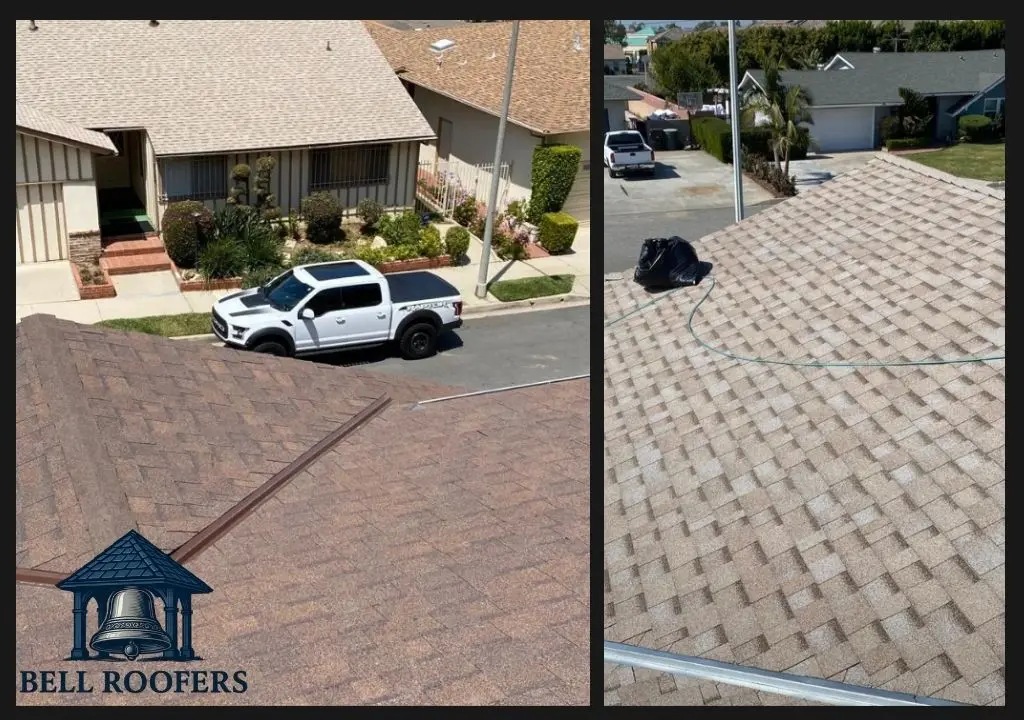
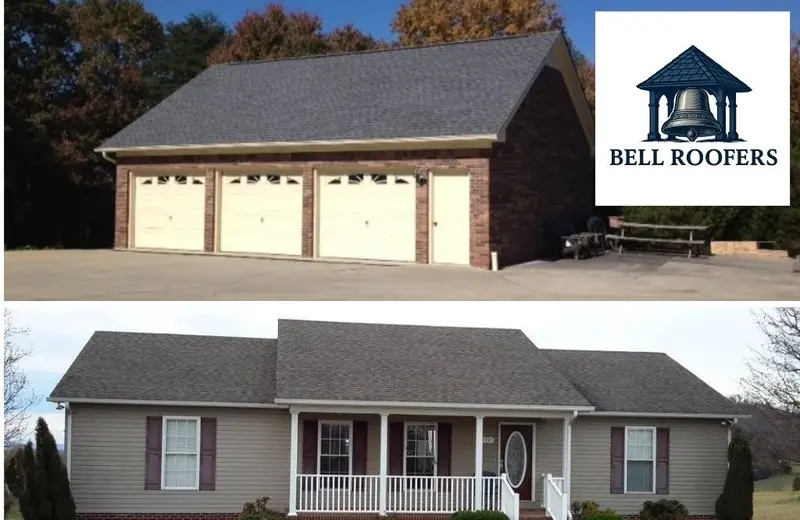
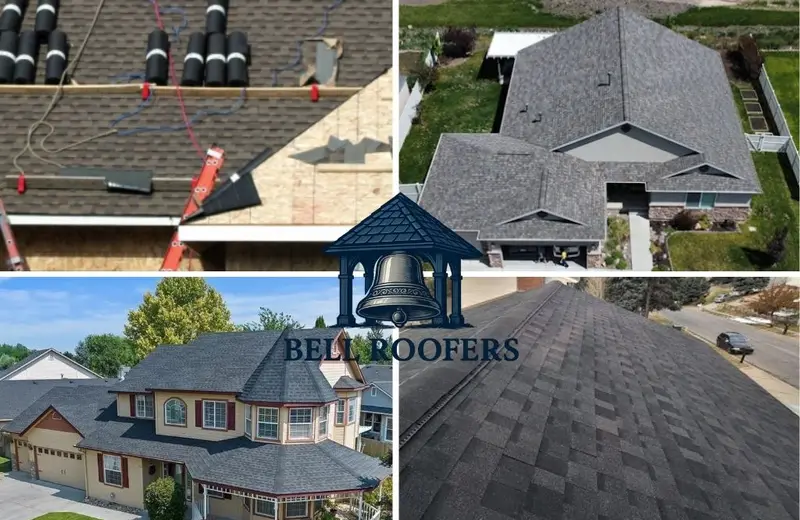
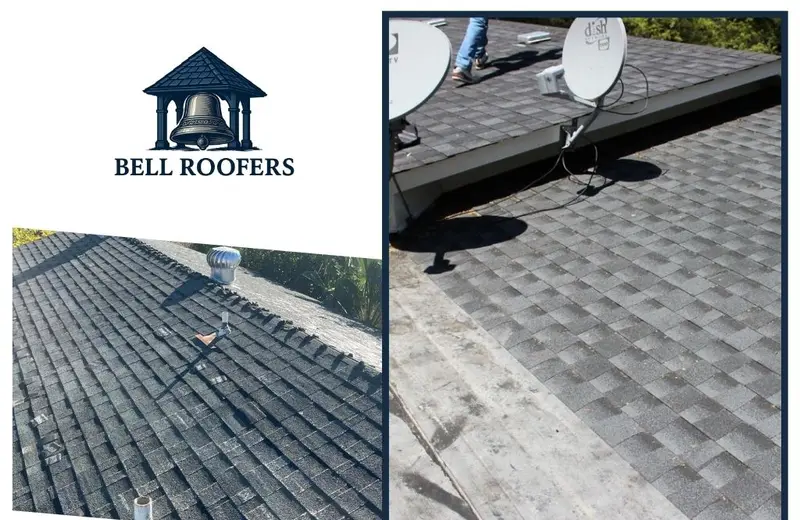
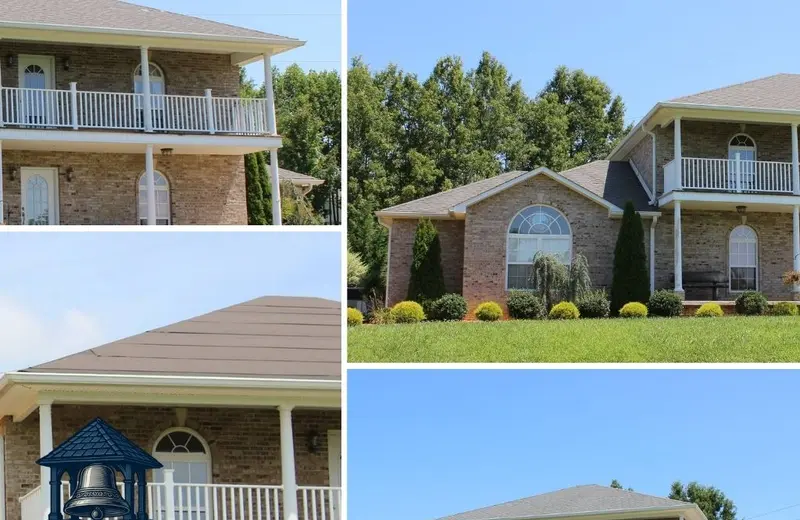
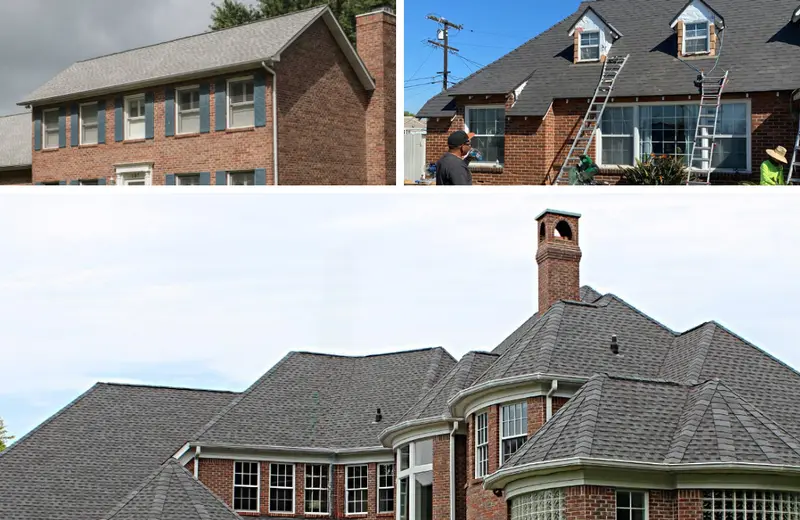
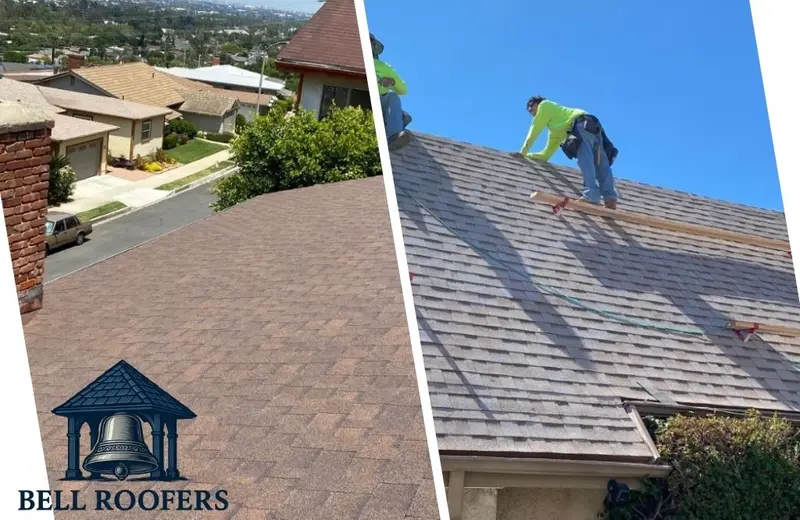
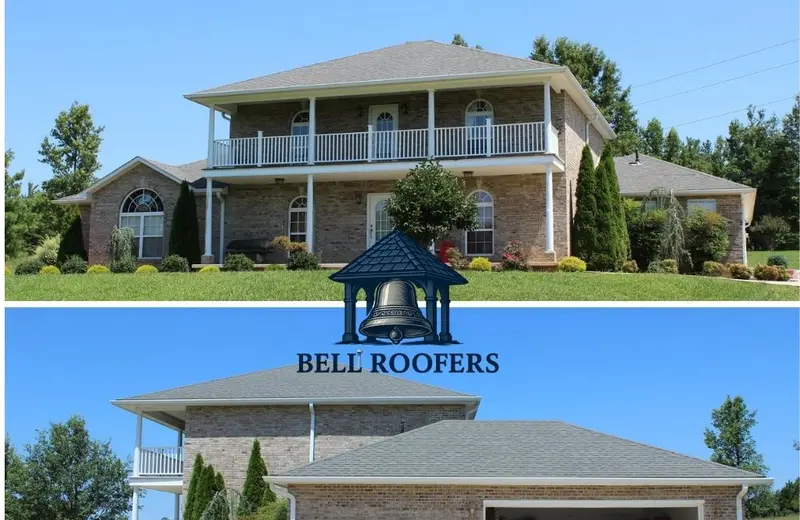
Recent roofing-contractor-in-bell-ca Projects in Bell, CA
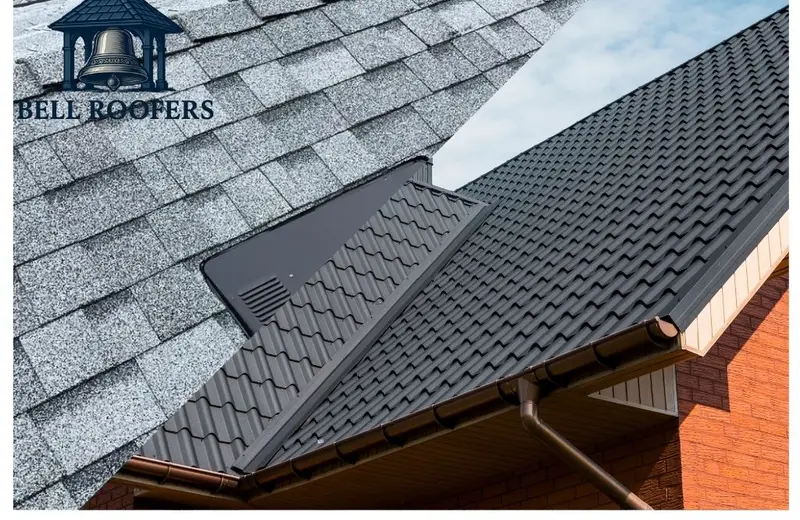
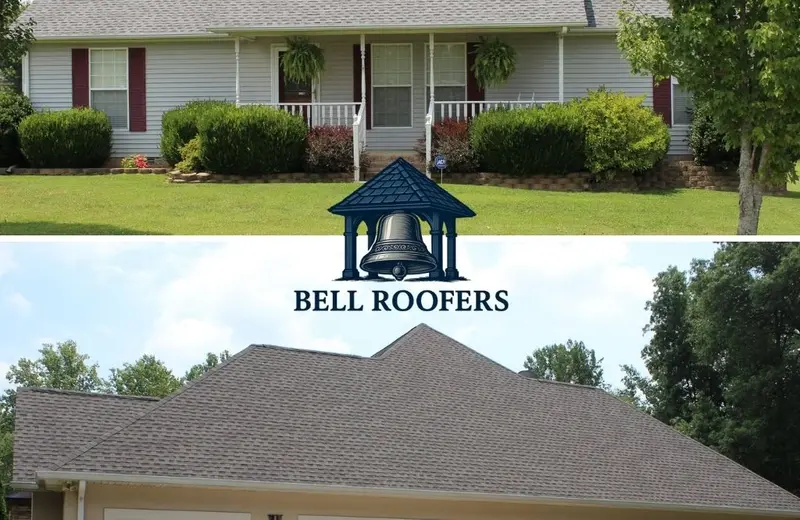
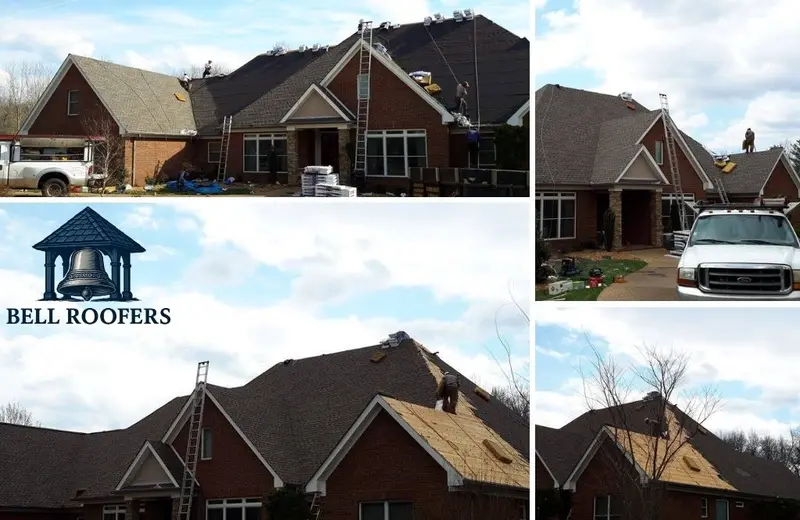
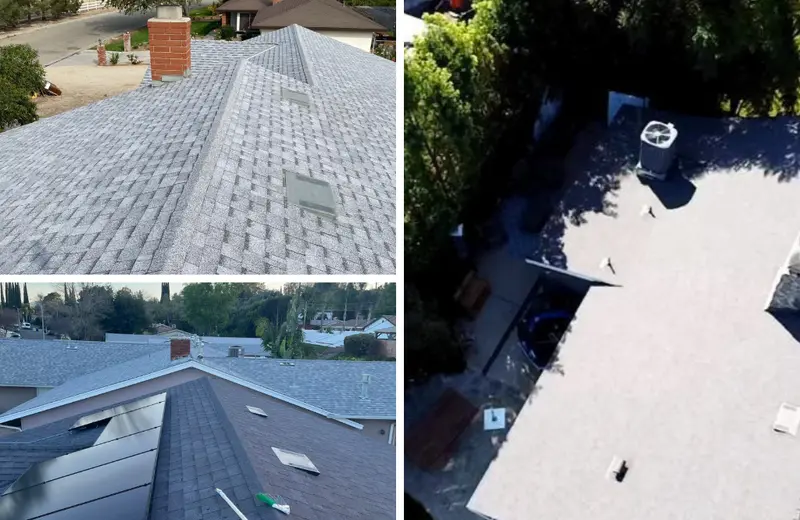

Roofing FAQs for Bell, CA Property Owners
How much does a new roof cost in Bell, CA?
For a typical single-story home of about 1,500 square feet with architectural asphalt shingles, most Bell homeowners spend about $11,000 to $20,000. The final price depends on roof size and pitch, how many old layers have to come off, deck condition, and the material you choose. Tile roofs and flat roofs with drainage corrections usually cost more, and 3-tab shingles cost less. Commercial flat roofs are priced per square and vary a lot with insulation and membrane type. We give you an itemized written estimate after inspecting your roof, and financing is available on qualifying projects.
How long does a roof replacement take?
Most residential roof replacements in Bell take 2 to 5 working days once materials arrive and permits are approved. A small single-story shingle roof can sometimes be done in a day or two, while tile lift-and-relay jobs and homes with significant deck damage take longer. Commercial projects depend on size and can run from several days to a few weeks. We try to schedule tear-offs during the dry months, May through October, so rain doesn't interrupt the work. If a storm moves in mid-project, we secure the roof with tarps every night.
Do I need a permit to replace my roof in Bell or nearby areas?
Yes. A full roof replacement generally requires a building permit, and some larger repairs do too. Where you pull it depends on your address. Bell, Maywood, Cudahy, South Gate, Compton, Paramount, Pico Rivera and Santa Fe Springs have their own building departments. East Los Angeles, Florence-Graham, Walnut Park, Westmont, Willowbrook, East Compton and West Whittier-Los Nietos are unincorporated, so LA County handles permits there. California's Title 24 energy code can also require cool-roof materials on certain re-roofs. We handle the permit process and make sure the materials meet code.
How can I prevent roof leaks before the rainy season?
Schedule an inspection and basic maintenance in late summer or early fall, before the November storms. Clean gutters, scuppers and flat-roof drains, since soot and Santa Ana debris build up during the dry months. Get cracked flashing sealant and roofing cement checked around chimneys, vents and skylights. Replace missing or curled shingles and cracked tiles. On flat roofs and patio covers, look for low spots where water pooled last winter. Fixing these small items while it's dry costs far less than an emergency repair in the middle of an atmospheric-river storm.
When should I call a roofer instead of waiting?
Call right away if water is coming into your home or business, if you see a sagging ceiling or roof deck, or if wind has torn off shingles, tiles or flashing. Those situations get worse quickly, especially in a multi-day storm. Schedule an inspection soon if you notice ceiling stains, granules piling up in gutters, curled shingles, cracked tiles, or water still pooling on a flat roof two days after rain. Our 24/7 emergency line is there for active leaks. For everything else, booking during the dry season gets you faster scheduling and better pricing.
Should I repair or replace my roof?
Repair usually makes sense when the damage is isolated, like a flashing leak or a few broken shingles or tiles, and the rest of the roof still has years of life left. Replacement is usually smarter when the roof is near the end of its expected lifespan, when you're dealing with leaks in multiple areas, when granule loss and curling are widespread on sunny slopes, or when repair costs keep adding up. We'll show you photos, explain the condition honestly, and lay out the cost of each option. We don't recommend a replacement your roof doesn't need.
What's the best roofing material for Bell's climate?
It depends on your roof's slope and your budget. For pitched residential roofs, architectural asphalt shingles with strong UV and wind ratings are a reliable, cost-effective choice, and cool-rated versions help keep attics cooler. Clay and concrete tile last a long time and suit Spanish-style homes, as long as the underlayment is maintained and the tiles are properly fastened for seismic movement. For flat and low-slope roofs, TPO's reflective, heat-welded membrane handles strong sun and ponding-prone conditions well. Whatever the material, proper drainage and flashing matter most.
Will my insurance cover roof damage?
Homeowners insurance often covers sudden damage, such as a tree limb falling on the roof or shingles torn off in a windstorm. It typically doesn't cover wear and tear or leaks caused by an aging roof. Coverage varies by policy, so check your specific terms. If you're filing a claim, we'll document the damage with detailed photos and notes, provide a clear repair estimate, and do emergency tarping to prevent further damage. Insurers generally expect you to take reasonable steps to mitigate damage right away. Our 24/7 response helps you do that.
Serving Bell, CA & Nearby
Get Your Bell Roof Ready Before the Next Storm
The dry months are when small roof problems can be fixed cheaply. The first heavy storm is when they turn into ceiling stains. Let's find yours now, while it's still an easy repair.
- ✓A thorough roof inspection with photos and a clear explanation
- ✓Itemized written estimates with honest repair-vs-replace guidance
- ✓A bonded and insured crew with experience since 2005
- ✓24/7 emergency roof leak repair and tarping
- ✓Permit handling for city and LA County jurisdictions
- ✓Flexible financing on qualifying projects
- ✓Complete cleanup and a final walkthrough on every job
⚡ Roof leaking right now? Call our 24/7 emergency line. We'll stop the water first and handle the permanent repair once the weather clears.
Bonded • Insured